

Powerlifting is a sport built on precision, strength, and biomechanics. While lifting heavy weights may appear straightforward, effective powerlifting techniques rely on scientific principles that maximize performance and minimize injury risk.
The three primary lifts in powerlifting—squat, bench press, and deadlift—each involve specific muscle groups and movement patterns. Proper biomechanics ensure that these muscles work efficiently together to produce maximum force.
In the squat, for example, maintaining a stable core and proper hip positioning allows the legs and glutes to generate powerful upward force. The bench press requires controlled shoulder positioning and strong engagement of the chest and triceps. The deadlift relies heavily on the posterior chain, including the hamstrings, glutes, and lower back.
Another key scientific principle in powerlifting is progressive overload. This concept involves gradually increasing training intensity over time to stimulate muscle growth and strength development. Without progressive overload, the body adapts to existing workloads and progress slows.
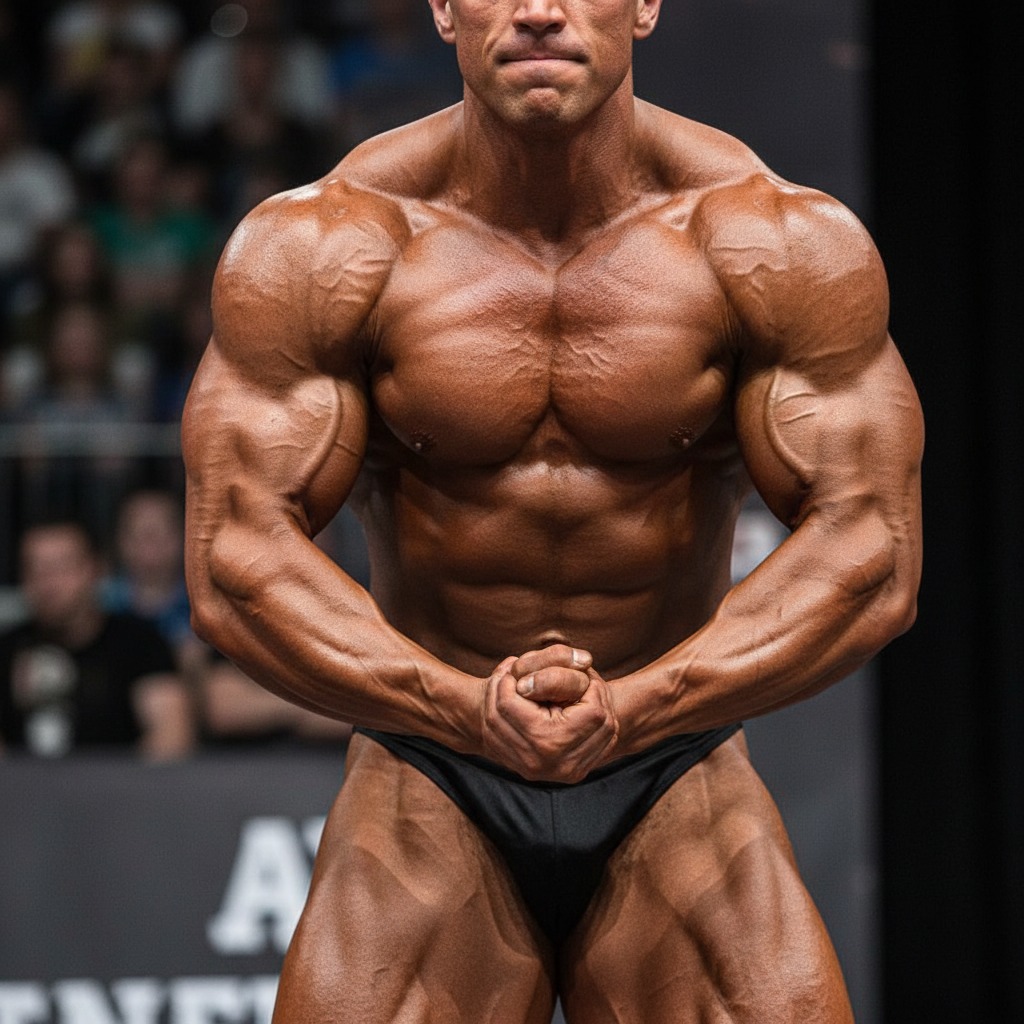

Muscle recovery and adaptation are also influenced by physiological factors. During strength training, muscle fibers experience microscopic damage. The body repairs these fibers during recovery, making them stronger and more resilient.
Nutrition and hydration support these processes by providing the nutrients required for muscle repair and energy production. Adequate protein intake is particularly important for maintaining muscle growth and recovery.
Understanding the science behind powerlifting techniques allows athletes to train more effectively. By combining proper biomechanics, progressive overload, and adequate recovery, powerlifters can continue improving their strength while maintaining long-term physical health.
Leave a Reply